
Choosing the right payment method is one of the most crucial decisions for any online casino player at PH33. Whether you are aiming for a quick slot session or planning to play high-stakes table games, how you deposit and withdraw funds directly impacts your gaming experience, safety, and bankroll control.
The two most popular options available across major gaming platforms today are E-Wallets and Bank Transfers.
This comprehensive guide breaks down the pros, cons, key differences, and ideal use cases for both payment methods to help you decide which one suits your style.
Quick Comparison Overview
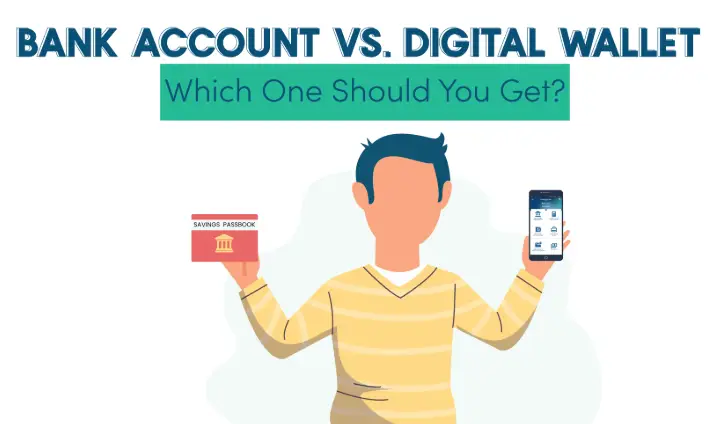
| Feature | E-Wallets (GCash, Skrill, etc.) | Bank Transfers |
| Deposit Speed | Instant | Instant to 30 Minutes |
| Withdrawal Speed | Fast (Instant – 1 Hour) | Slow (1 – 3 Business Days) |
| Transaction Limits | Low to Moderate | High to Unlimited |
| Privacy & Anonymity | High (Hides bank details) | Low (Direct bank statement entry) |
| Security Level | High (2FA / App-based) | Very High (Bank-grade encryption) |
| Fees | Low / Free (Fee may apply to bank cash-out) | Free / Interbank transfer fees |
| Best For | Casual & Frequent Players | High Rollers & Large Payouts |
1. E-Wallets for Online Casinos: Speed and Privacy
E-Wallets act as digital intermediaries between your personal bank account and the online casino platform. Over the past few years, they have become the go-to payment option for the vast majority of online gamblers.
Pros of E-Wallets
- Lightning-Fast Withdrawals: The biggest advantage of e-wallets is speed. While bank transfers force you to wait days, e-wallet withdrawals are often processed within minutes to an hour.
- Enhanced Data Privacy: When depositing with an e-wallet, you never share your primary bank account numbers or debit card details with the casino site. This isolates your main funds from web vulnerabilities.
- Better Bankroll Management: By funding an e-wallet specifically with your entertainment budget, you keep your daily living expenses separate from your gambling money, preventing overspending.
- Exclusive Casino Bonuses: Many online casinos offer tailor-made promotions, cashbacks, and reload bonuses for users depositing via local or global e-wallets.
Cons of E-Wallets
- Lower Transaction Limits: E-wallets usually carry daily or per-transaction caps. If you land a massive jackpot, you may need to break your cash-out into multiple smaller requests.
- Potential Cash-Out Fees: While transferring money between your e-wallet and the casino is usually free, transferring money from the e-wallet back into your bank account can incur small service fees.
2. Bank Transfers for Online Casinos: Maximum Security and High Limits
Direct Bank Transfers (including online banking and wire transfers) remain the backbone of online gambling payments, particularly for experienced players and high rollers.
Pros of Bank Transfers
- High Transaction Limits: If you deposit large sums or need to cash out substantial winnings, bank transfers are unmatched. They accommodate high limits without requiring multi-tiered withdrawals.
- Bank-Grade Security: Transactions are guarded by top-tier financial security standards, including biometric logins, hardware tokens, and two-factor SMS/app authentications directly managed by your bank.
- Direct Access to Cash: When you withdraw using a bank transfer, your money arrives straight into your usable bank account—no middleman app required.
Cons of Bank Transfers
- Slower Cash-Out Times: The primary downside is waiting time. Depending on processing times and banking hours, receiving your funds can take anywhere from 24 hours to 5 business days.
- Bank Statement Visibility: Every transaction will appear on your official bank statement. For players who prefer absolute financial privacy, this might be a dealbreaker.
- Strict Verification Delays: Banks enforce strict Know Your Customer (KYC) and Anti-Money Laundering (AML) checks, which can delay transactions if names or details do not match perfectly.
Key Differences: How to Choose
When deciding between E-Wallets and Bank Transfers, ask yourself these three basic questions:
- How fast do you need your money? If waiting days for a payout sounds frustrating, E-Wallets are your best choice.
- How much money are you moving? If you plan to deposit or withdraw thousands of dollars in a single transaction, Bank Transfers provide the necessary limits and safety.
- How important is privacy? If you prefer not having online casino records on your central bank account ledger, opt for an E-Wallet.
Frequently Asked Questions (FAQs)
Are E-Wallets safer than Bank Transfers for online casinos?
Both methods are safe, but they protect you differently. E-wallets keep your banking information hidden from third-party sites, while Bank Transfers rely on multi-layer institutional security provided directly by major financial institutions.
Why do bank transfer withdrawals take longer?
Bank transfers involve manual checks, interbank clearance protocols, and compliance with anti-money laundering regulations. Processing also pauses on weekends and public holidays.
Can I deposit with an E-Wallet and withdraw via Bank Transfer?
Most regulated online casinos require you to use the same method for both deposit and withdrawal to prevent fraud and money laundering. Check your casino’s cashier rules before making a deposit.
Summary Verdict
- Choose E-Wallets if: You value speed, privacy, mobile convenience, and flexible daily play.
- Choose Bank Transfers if: You are a high roller who prioritizes large limit flexibility, high security, and direct-to-bank settlements.